

Why We All Secretly Love Failure Stories
I don’t know if it’s just me, but success stories that are perfect from the beginning feel kind of boring. Like, imagine someone saying, “I studied 10 hours every day, never got distracted, always topped the class.” Good for them, but also… not relatable at all. The real juice is in the failure part. Because honestly, every student has that one exam where they literally stared at the question paper like it was written in alien language. Failures sting, but they also become the best plot twists in life. That’s why stories of students bouncing back hit harder than plain success tales.
That Guy Who Failed Math Twice but Ended Up Teaching It
So there’s this student, I remember hearing about him during college days. He failed math not once, but two times in high school. His friends teased him like crazy, “Bro, you’ll never escape Pythagoras!” But plot twist—he worked through his weakness, slowly, painfully, with late-night tutorials on YouTube (shoutout to those 3 a.m. math explainers with terrible audio quality). Fast forward a few years, he cleared his engineering exams and eventually became a math teacher. Irony at its finest. The guy who once thought numbers were his biggest enemy now helps other kids survive them. It’s like failing forward, literally.
The Girl Who Froze in Debate Competitions
Public speaking? Nightmare for a lot of us. This one girl in my class would just freeze on stage. Not like “pause for dramatic effect,” but legit stand there blank, sweating. She even walked off once, and TikTok-style gossip spread around, memes and all. But instead of giving up, she kept pushing—joined smaller clubs, practiced speaking in front of a mirror, even recorded herself and cringed later (we’ve all done it). By the final year, she wasn’t just speaking, she was leading debates. Today she works as a corporate trainer, literally paid to speak all day. Proof that embarrassment is temporary but confidence built from failure stays forever.
Grades Don’t Tell the Whole Story
Here’s a fun stat that most students don’t know: around 40% of billionaires were C or D grade students. Sounds wild, right? It doesn’t mean failing your exam guarantees you a yacht, but it does show how academic scores aren’t the only measurement. Social media is full of people ranting about school grading systems being unfair, and honestly, they’re not wrong. Some of the most creative people I know couldn’t score well because they didn’t fit into the typical exam mold. Like one guy from my college, always sketching in his notebooks instead of writing notes. Teachers thought he was wasting time, but now he’s an actual graphic designer earning more than some of those “toppers.”
Why Failure Hurts But Also Helps
Nobody enjoys failing. Let’s be real, failing sucks. You feel dumb, your relatives give you that “so what now?” look, and social media makes it worse when you see people flaunting perfect results. But failure forces you to rethink, adjust, maybe even fight back. Think of it like playing a video game—you don’t quit just because you lose the first level, you keep retrying until you finally beat the boss. Failures are kind of like checkpoints, not full stops.
The Silent Pressure Cooker Called Comparison
One of the biggest reasons failure feels worse is comparison. Everyone online is flexing—LinkedIn posts about internships, Instagram stories about scholarships abroad. And there you are, staring at your screen after flunking a test. It’s brutal. But what no one posts is how many times they’ve failed before that one shiny achievement. People only show highlight reels, not the bloopers. If students actually shared their failures openly, I think half the anxiety would vanish because then we’d all realize failing is normal.
That One Student Who Changed His Own Script
In my neighborhood, there was this kid who barely passed his 12th boards. Everyone assumed he’d just disappear into some random job. But he surprised all of us. He joined a small local coaching center, trained himself in coding, and eventually landed an internship at a startup. He didn’t become some overnight Elon Musk, but the dude literally rewrote his story. From “average student” to “the guy helping others with coding assignments.” Sometimes success doesn’t mean topping the class, it means refusing to let your failures define your entire life.
So What’s the Big Takeaway?
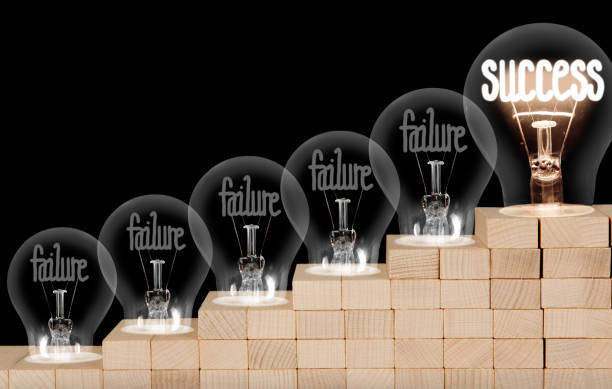
I guess the point is—failure isn’t the opposite of success, it’s the shaky bridge that gets you there. Students who fail don’t automatically stay failures forever, unless they give up. And giving up is way scarier than failing. If you scroll through Twitter or Reddit threads, you’ll see thousands of people admitting how their biggest low points later became the reason for their achievements. Honestly, it’s comforting. Because it means no matter how bad it feels right now, it’s just one chapter, not the whole book.
Final Thought (not too cheesy, I promise)
Next time you mess up an exam, choke in a presentation, or just feel like you’re behind everyone, remember—these so-called failures are building character. And character, unlike grades, actually lasts a lifetime. Maybe your story will be the next one that someone else reads when they need hope. Or maybe it’ll just be a funny anecdote you tell your kids someday, like “Yeah, I once failed miserably, but look where I am now.” Either way, failure isn’t the end—it’s just a messy, awkward, sometimes embarrassing beginning.