

Why Kishangarh Marble Is A Big Deal
So, let’s talk about marble in Kishangarh. I mean, if you’re even a little into home décor or construction, you’ve probably heard whispers about it. But the truth? Most people have no clue why this particular marble has been stealing the spotlight from random stones around the world. I remember when I first stumbled upon it, I was just looking for something for a kitchen countertop and somehow ended up deep-diving into what makes Kishangarh marble a thing. Turns out, there’s a lot more than just the shiny surface.
Kishangarh, in Rajasthan, is like that quiet kid in class who suddenly becomes the talk of the school because they have a crazy talent. The marble here isn’t just pretty; it’s got this strength and elegance combo that makes it perfect for interiors. People often compare it to the kind of marble you see in those Instagram houses with infinity pools and chandeliers, but honestly, Kishangarh marble has its own rustic, earthy vibe.
The Unique Look That Gets People Hooked
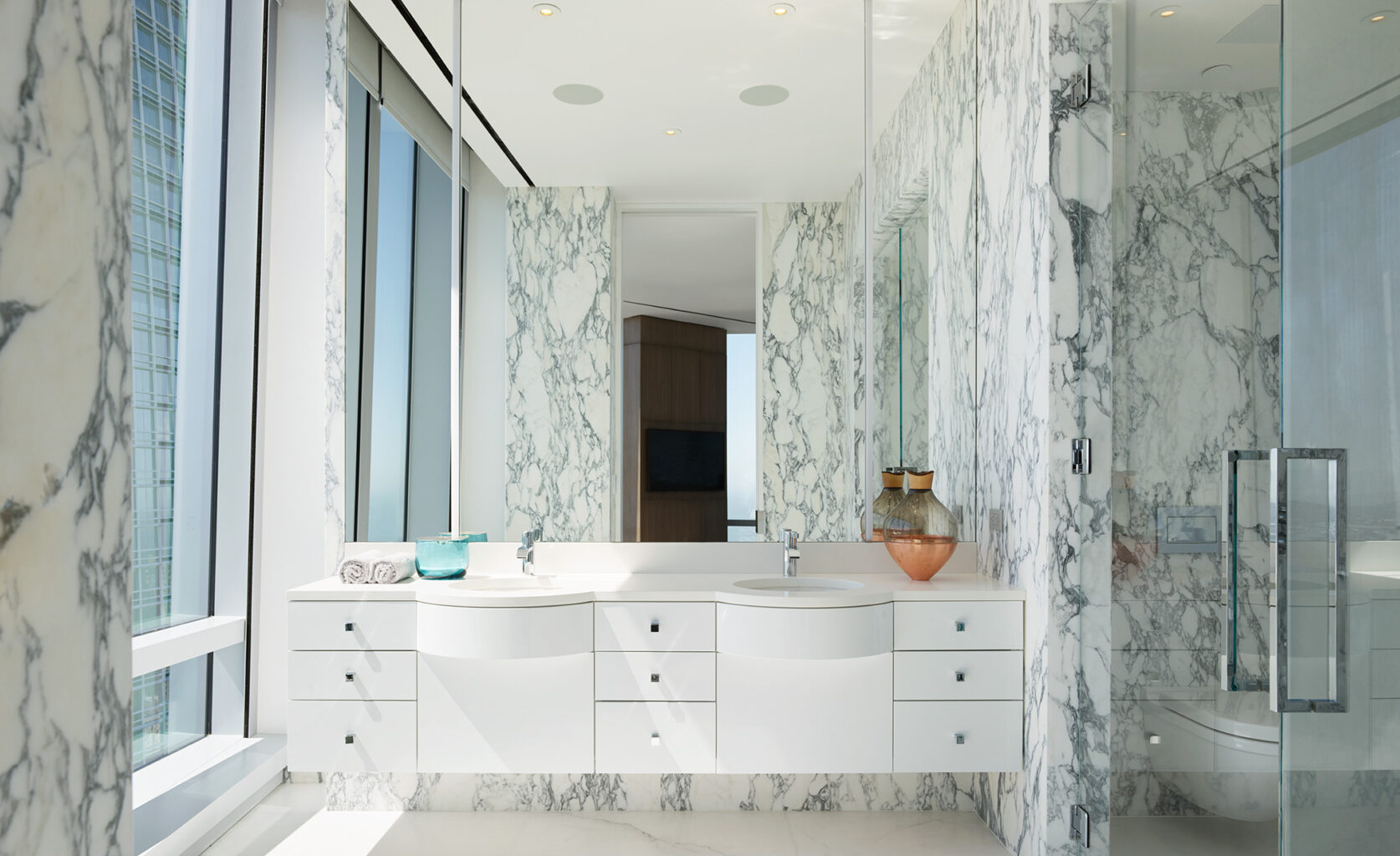
One thing I really like about marble in Kishangarh is that no two slabs are exactly the same. It’s like Mother Nature had fun with it—swirls, veins, specks—you name it. Some of my friends were joking online about how each slab looks like it has a personality. And honestly, I can’t disagree. You might find a slab that reminds you of coffee swirling in milk, or another that looks like some abstract painting you’d see in a small cafe in Paris. It’s quirky, it’s different, and that’s why people who actually care about interiors go crazy over it.
I’ve also noticed, people often confuse it with Italian marble because of the white and grey tones. But Kishangarh marble has this subtle warmth that makes it feel more… welcoming? If you’re decorating a living room, for instance, it won’t feel cold or sterile like some imported marble can. Trust me, I tried both in my cousin’s house, and the difference is night and day.
Why Builders And Designers Keep Talking About It
You know that one friend who won’t stop raving about a new café or movie? That’s basically what designers do about Kishangarh marble. The stuff is not just for looks; it’s solid, hard-wearing, and surprisingly low-maintenance. I’ve read somewhere—can’t remember exactly, probably from a Reddit post—that a lot of hotels in Rajasthan now prefer it over other types of marble because it can handle heavy foot traffic without showing wear too fast. Makes sense if you think about it: the marble has literally survived centuries in forts and palaces before making it to modern homes.
And speaking of online chatter, you’ll find forums and social media posts where people post pics of their new marble floors with captions like “Yes, it’s Kishangarh, and yes, it’s a vibe.” It’s like the quiet flex of the interior design world. There’s pride in having something that’s both local and high-quality. Honestly, it’s refreshing to see people appreciate something Indian-made that can easily compete with imported stuff.
A Small Story From My Own Marble Hunt
Okay, confession time: I once went to a local supplier just to “check prices” and ended up staying for hours because the slabs were mesmerizing. There was this old guy at the shop who knew every marble’s origin like he was talking about family members. He told me about a slab that was 50 years old and still hadn’t lost its shine. I asked him why people don’t just go for cheaper options from other states, and he just laughed, saying, “You get what you pay for, and Kishangarh marble is not just stone, it’s a legacy.” I mean, can’t argue with that, right?
I also found out that marble from Kishangarh isn’t just limited to floors and walls. People use it for countertops, sculptures, and even small decorative items. There’s this trend on Pinterest and TikTok where people are using small Kishangarh slabs as tabletops for indoor plants. Honestly, it looks surprisingly classy, like you’re secretly flexing expensive taste without actually shouting it.
Why It’s Worth The Investment
Here’s the thing: marble is never cheap, and marble in Kishangarh is no exception. But if you’re thinking long-term, it’s actually smart money. It lasts decades, sometimes even centuries, and even if you get bored of the pattern, the resale value is pretty solid. My friend recently renovated his house and used it extensively in the kitchen and bathroom. He joked that the marble “probably costs more than his car,” but after seeing it, I get why. It doesn’t just look good; it makes the space feel like it has a story.
Also, the environmental factor is kinda interesting. Since Kishangarh is one of the main marble hubs in India, sourcing locally reduces the carbon footprint compared to importing stones from abroad. It’s a small win for eco-conscious decorators, and it feels good supporting local artisans too.