
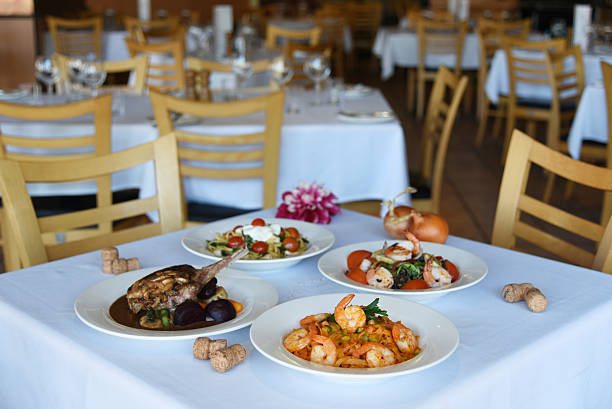

Why cooking at home doesn’t have to be scary
I gotta admit, for the longest time I thought making restaurant-quality meals at home was some magical black art. Like, you needed a secret chef’s license or some fancy equipment I didn’t have. But then, after a few burnt attempts at risotto and one near-catastrophic attempt at crème brûlée (don’t ask), I realized it’s more about understanding a few tricks than being Gordon Ramsay reincarnated. Seriously, you don’t need a Michelin star to wow yourself—or your friends.
One thing I noticed is most people, including me, underestimate the basics. People scroll endlessly on TikTok for “hacks” or some quick recipe that promises chef-level dinner in 15 mins. And sure, some of them are cool, but the real magic is in little things: timing, seasoning, and the “why” behind every step.
Mastering the seasoning game
Here’s a little secret most restaurants don’t scream from the rooftops: seasoning isn’t just sprinkling salt and pepper and calling it a day. It’s layering. For example, when I tried to make a chicken curry at home, I used just salt and some curry powder, and well, it tasted like cardboard. Then I started reading labels, understanding spices, and learning when to toss them in. Dry spices at the start, wet flavors mid-cook, finishing with fresh herbs—boom, instant flavor boost.
A random stat I read somewhere (probably on Reddit or some chef forum) said 80% of “restaurant-quality” flavor comes from just proper seasoning and timing, not some weird secret ingredient. It’s crazy but kinda reassuring. You don’t need truffle oil, just the patience to layer flavors.
Invest in tools, but don’t go crazy
Honestly, you don’t need a sous-vide machine, 12 different kinds of pans, or a $300 chef’s knife to make something that tastes like it’s from a fancy place. A solid skillet, a sharp knife, and a pot that doesn’t leak water everywhere is enough. But, I will admit, the first time I bought a good chef’s knife, it felt like my chopping skills upgraded overnight. Somehow, vegetables magically looked like they were cut in a cooking show, even if I still burned the garlic.
Also, never underestimate the power of a digital thermometer. I know it seems extra, but it’s literally a game-changer for chicken, steak, or even baked fish. It removes guesswork, and trust me, the last thing you want is a dry, sad piece of chicken in a meal you’re trying to impress someone with.
Timing is basically a superpower
Restaurant chefs are basically wizards with clocks. At home, you can fake it a bit. One trick I learned (from a friend who’s too proud to admit she watches cooking TikToks) is prepping everything before you touch the heat. Chop, measure, season—everything on the counter. It makes cooking less like chaos and more like a semi-organized ritual.
Also, don’t forget resting your meat. Just like people need a moment to chill after a workout, cooked meat needs a few minutes to “relax” before you cut it. I once skipped this step because I was hangry and rushed, and the steak bled all over my plate. Not cute.
Sauces are your secret weapon
I feel like sauces are underrated in home cooking. A good sauce can turn an average dish into something that feels luxurious. And no, you don’t have to reduce it for hours like some French chef. Even a simple pan sauce—deglazing with wine or broth, throwing in some butter and herbs—works wonders.
I tried making a pan sauce for my pasta last week, accidentally added a little too much wine, panicked, and honestly? It tasted like restaurant-level magic. Sometimes mistakes make the food better, weirdly enough.
Presentation isn’t just Instagram flexing
Look, I’m not saying you need to make it picture-perfect for your followers, but presentation does matter. A sprinkle of fresh herbs, a drizzle of sauce, or plating on a slightly fancy plate makes a world of difference. People eat with their eyes first, and if your plate looks sad, your brain will already assume the food tastes sad, even if it’s actually fire.
I used to just dump food on a plate like a toddler, until my roommate snapped a photo for Instagram and tagged it “restaurant vibes at home” and I felt like a genius. Turns out humans respond to aesthetics more than I thought.
Experiment like you’re in a kitchen lab
Honestly, half the fun of cooking at home is experimenting. Don’t be afraid to tweak recipes. Maybe add a pinch of cinnamon to your chili, or a splash of citrus to your creamy pasta. Some experiments fail, obviously—I once made a curry that tasted like perfume—but when it works, it’s magical.
Also, trust your taste buds. Recipes are guides, not commandments. Restaurants adjust every dish for flavor, and you can too. I learned this the hard way after over-salting a soup because I blindly followed a recipe. Tasted terrible, but hey, now I know better.
The social media effect
It’s kinda funny how much we let Instagram and TikTok affect our cooking expectations. You watch a 30-second reel, and suddenly you think every meal should have edible flowers, a neon sauce, and foam that looks like clouds. Real talk? Most restaurants aren’t going that extra mile for the everyday diner—they’re doing the basics really, really well. And so can you.
So next time you feel lazy or intimidated, remember: you don’t need a food network budget, endless gadgets, or a master’s degree in culinary arts. Focus on seasoning, timing, and a little presentation. Layer your flavors, rest your meat, and don’t freak out about mistakes. Some of my best “restaurant-quality” meals at home came from happy accidents.